Introduction
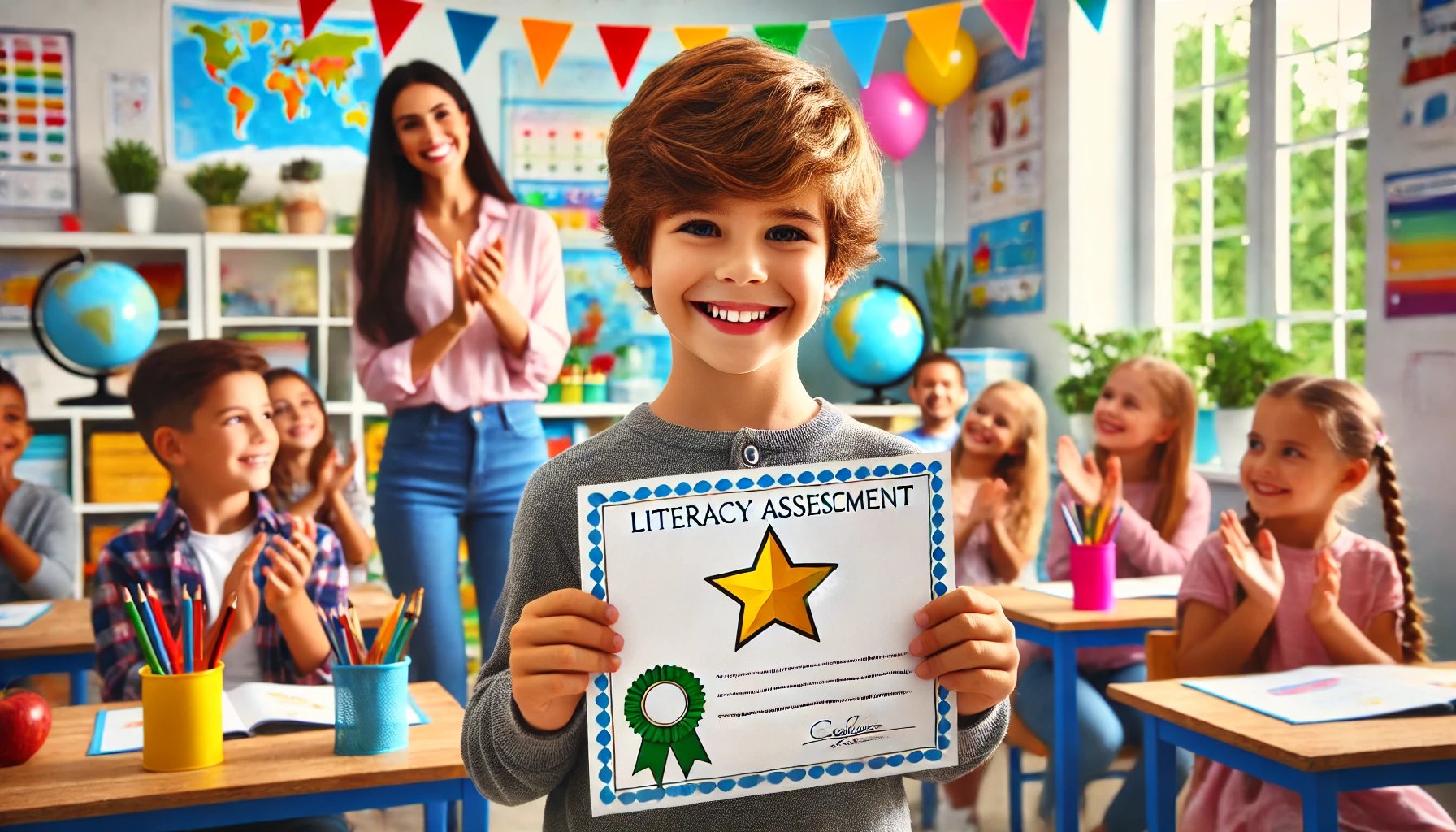
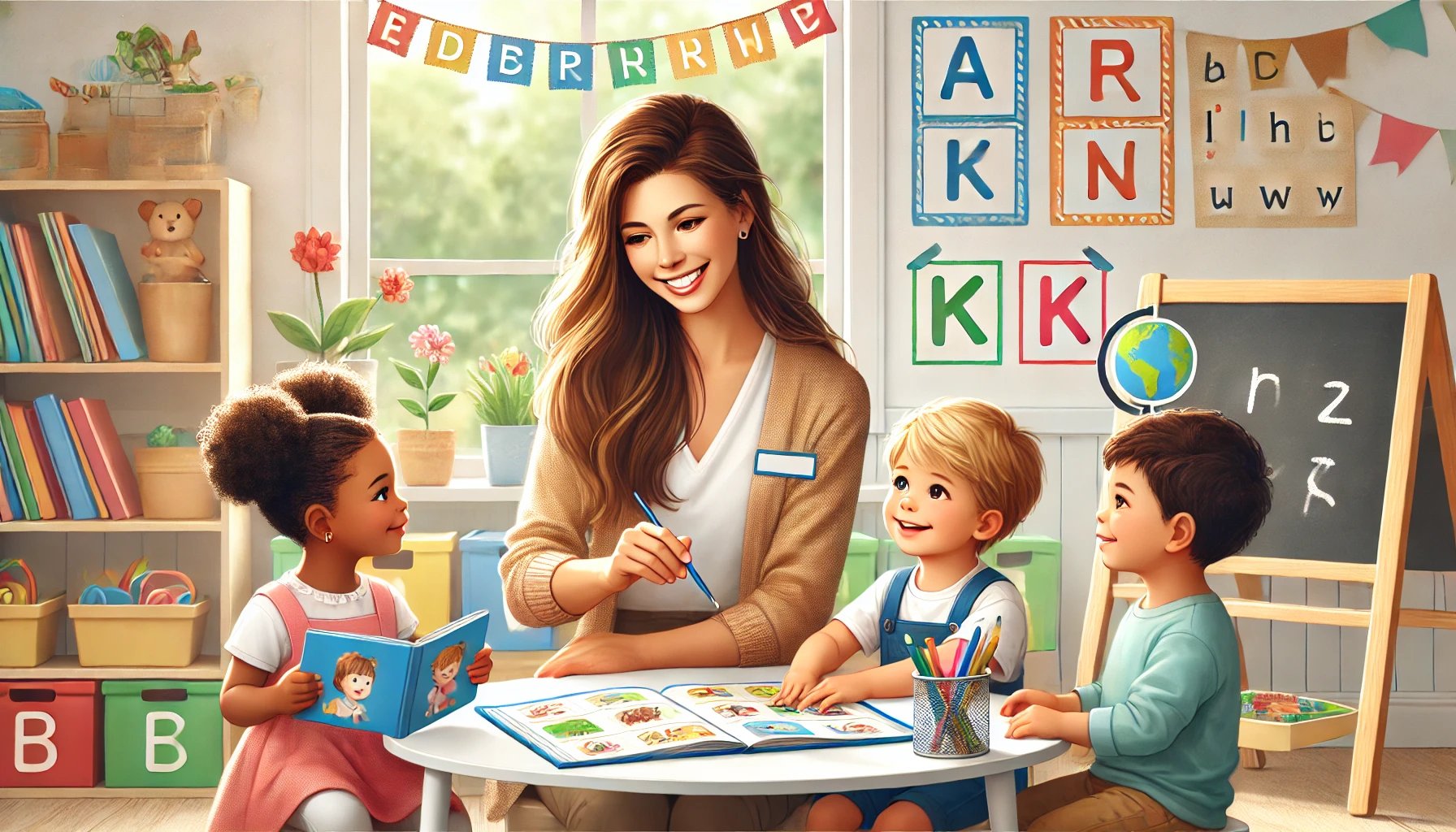
Assessing progress in early literacy learners is crucial for identifying strengths, addressing challenges, and tailoring instruction to meet individual needs. Reliable assessment practices empower educators and caregivers to provide the right support at the right time, laying a strong foundation for lifelong reading and writing success.
1. Understanding Early Literacy Skills
Early literacy skills encompass phonemic awareness, phonics, vocabulary, fluency, and comprehension. Mastery in these areas signals a child's readiness to transition from learning to read, to reading to learn.
2. Why Early Literacy Assessment Matters
Early detection of learning gaps prevents future struggles. Ongoing assessment ensures that interventions are timely and effective, maximizing each child's potential.
3. Characteristics of Effective Literacy Assessments
Strong assessments are reliable, valid, age-appropriate, and culturally responsive. They should measure real skills, not just rote memorization.
4. Formal vs. Informal Assessments
Formal assessments include standardized tests and structured evaluations, offering quantifiable data. Informal assessments—like observations and checklists—capture authentic reading behaviors and day-to-day skills.
5. Key Assessment Tools for Early Literacy
- Running Records
- Phonological Awareness Screeners
- Letter Recognition Checklists
- Reading Fluency Timed Readings
- Writing Samples
6. Observational Assessment Techniques
Watching students read, write, and interact with texts provides valuable insights. Note engagement levels, decoding strategies, and comprehension questions asked during activities.
7. Setting Benchmarks and Goals
Benchmarks guide instruction. Setting SMART goals (Specific, Measurable, Achievable, Relevant, and Time-bound) ensures students receive targeted support aligned with literacy milestones.
8. Using Digital Tools for Literacy Assessment
Platforms like ABZ Learning offer phonics and fluency games that generate real-time data, making assessment fun and interactive.
9. Supporting Diverse Learners Through Assessment
Multilingual learners and students with learning differences may require differentiated assessments. Visual supports, oral responses, and extended time ensure fair evaluation.
10. Communicating Progress to Families
Effective communication builds partnerships. Share assessment results in clear, jargon-free language, and suggest at-home activities to reinforce learning.
Sample Literacy Assessment Chart
| Skill Area | Assessment Method | Benchmark Goal | Frequency |
|---|---|---|---|
| Phonemic Awareness | Sound Segmentation Task | 90% accuracy | Monthly |
| Letter Recognition | Alphabet ID Chart | Recognize 26 letters | Bi-monthly |
| Reading Fluency | Timed Oral Reading | 60 words per minute | Monthly |
| Comprehension | Retelling Checklist | Answer 4 out of 5 questions correctly | Quarterly |
The fluency benchmark above reflects grade-level oral reading norms compiled by researchers Jan Hasbrouck and Gerald Tindal, widely used to gauge whether a student's words-correct-per-minute rate is on track (Reading Rockets).
FAQs about Assessing Early Literacy Learners
Q1: How often should early literacy assessments be conducted?
A1: Informal assessments should occur weekly, while formal benchmarks may be assessed monthly or quarterly.
Q2: What are signs that a child needs intervention?
A2: Warning signs include difficulty with letter-sound correspondence, limited vocabulary, and slow decoding skills.
Q3: How can technology enhance early literacy assessments?
A3: Digital games and reading apps track real-time data on phonics, spelling, and comprehension, providing immediate feedback to educators and learners.
Q4: Should assessments be different for English Language Learners?
A4: Yes, assessments should account for language development, offering visual cues and oral assessment options when necessary.
Q5: How do I involve families in the assessment process?
A5: Share simple progress updates, suggest targeted at-home activities, and invite families to literacy events or workshops.
Q6: What is the role of self-assessment in early literacy?
A6: Encouraging young learners to reflect on their own reading and writing builds metacognitive skills and fosters independence.
Conclusion
Assessing progress in early literacy learners is more than just ticking boxes—it’s about nurturing confident, joyful readers. With strategic assessment, consistent monitoring, and family engagement, we can build strong literacy foundations for every child. Explore dynamic literacy games and assessment tools at ABZ Learning to support growth at school and home.